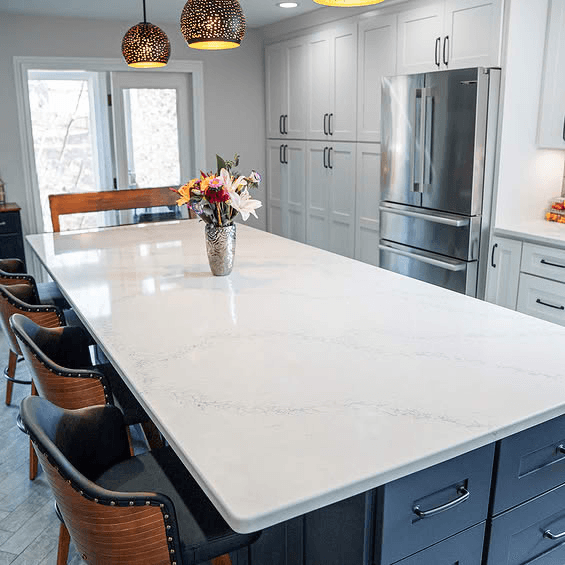
Rust stains can make even beautiful countertops look old, worn, and neglected. The good news is that many rust marks can be cleaned, but the wrong method can permanently damage the surface.
Different countertop materials need different care. Granite, quartz, marble, quartzite, laminate, solid surface, and wood surfaces can all react differently to cleaners. A method that works on one surface may cause scratches, discoloration, dull spots, or etching on another.
Rust stains often come from metal cans, cookware, shaving cream cans, tools, or hard water. When metal sits on a wet surface, it can leave orange or brown marks that become harder to remove over time.
This guide explains what causes rust stains, which supplies to use, how to remove stains step by step, how to clean different materials safely, and how to prevent future rust. East Coast Granite of Richmond also provides expert advice, repairs, and professional countertop installation for homeowners who want long-lasting surfaces.
What Causes Rust Stains on Countertops?
Wet Metal Objects
Most rust stains come from metal items left on a damp countertop.
Metal cans, cookware, tools, razors, and shaving cream cans can all leave rust marks when moisture gets trapped underneath them. This is common near sinks, bathrooms, laundry rooms, and kitchen prep areas.
The stain may look small at first, but it can become darker if it stays on the surface too long.
Hard Water
Hard water can also contribute to rust stains.
Water with high mineral content may leave marks around sinks, faucets, and backsplashes. If the water contains iron, orange or brown stains may appear more often.
Prompt cleaning helps prevent these marks from becoming permanent.
Plumbing or Moisture Problems
Sometimes rust stains are a sign of a larger issue.
Leaking fixtures, standing water, or damaged caulk can expose the countertop to constant moisture. This can make rust stains return even after cleaning.
If stains keep coming back, check the source of water before treating the surface again.
Natural Iron in Stone
Some natural stone may contain small iron deposits.
In rare cases, moisture can react with these minerals and create discoloration. This is one reason stone care should be handled carefully.
For rust granite stains, it is important to use a stone-safe method instead of harsh acidic cleaners.
Supplies You'll Need
Basic Cleaning Supplies
Start with gentle supplies before using stronger products.
You may need soft microfiber cloths, mild dish soap, warm water, a non-abrasive sponge, a plastic scraper, baking soda, and protective gloves.
Avoid steel wool, rough scrub pads, and metal scrapers. These can scratch the surface and make the problem worse.
Stone-Safe Products
If you have natural stone, choose cleaners made for that surface.
A stone-safe rust cleaner may help remove deeper stains without damaging the countertop. Always read the product label and confirm that it is safe for the material.
Do not use vinegar, lemon juice, bleach, or acidic bathroom cleaners on natural stone. These products can etch or dull the finish.
Test First
Always test a cleaning product in a small hidden area before using it on the main stain.
This helps you check for discoloration, dullness, or surface reaction. If the test area changes, stop and use a different method.
Testing is especially important on marble, quartzite, granite, and older countertop surfaces.
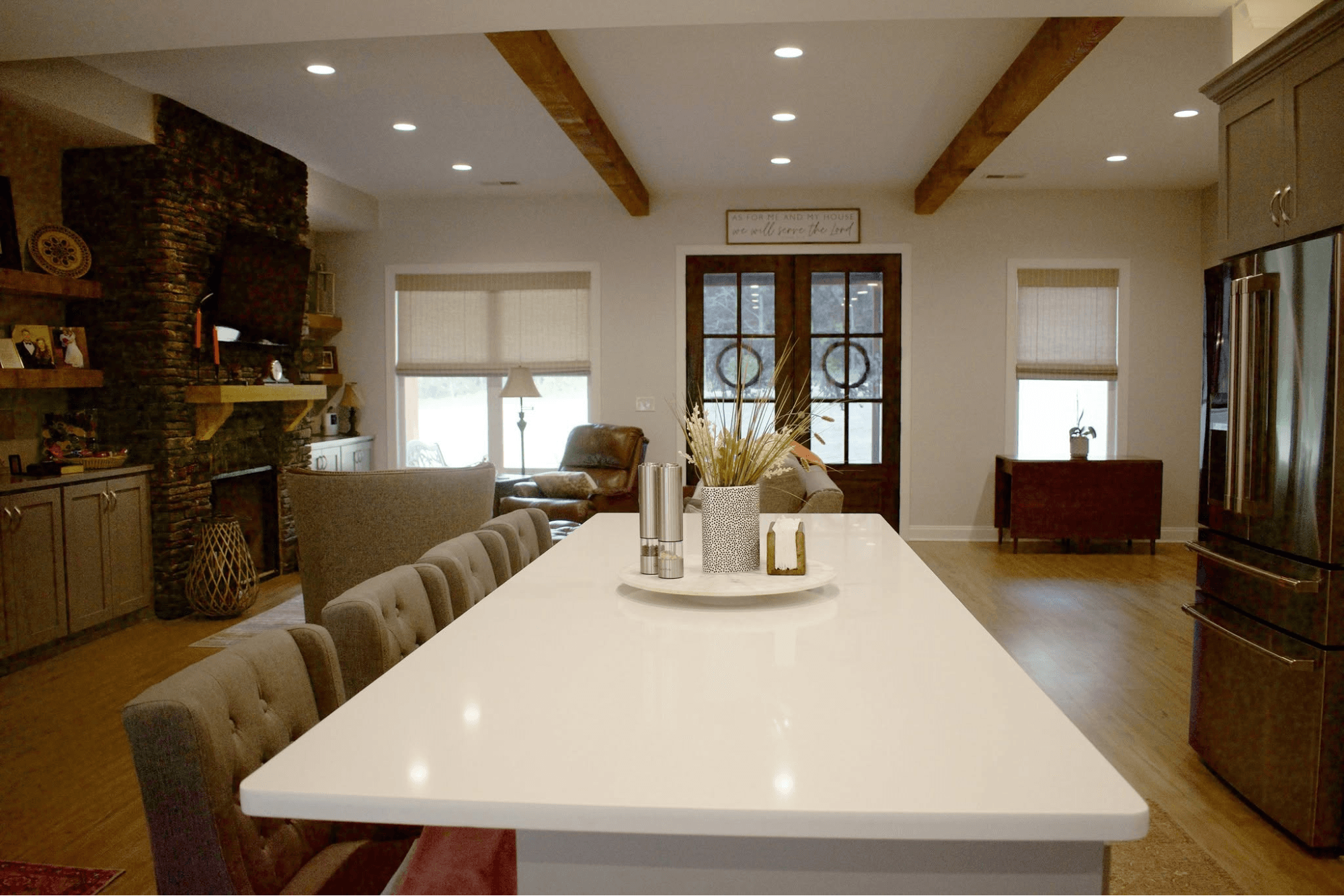
How to Remove Rust Stains Step by Step
Step 1: Identify the Countertop Material
Before cleaning, confirm what type of countertop you have.
Granite, quartz, marble, quartzite, laminate, solid surface, and wood all need different care. If you are not sure, avoid strong chemicals until a professional can identify the material.
This step helps prevent accidental damage.
Step 2: Clean the Surface
Wash the area with mild dish soap and warm water.
Use a soft cloth or non-abrasive sponge to remove dirt, grease, and surface residue. Dry the area fully before treating the rust stain.
This helps the cleaning product work directly on the stain.
Step 3: Apply the Right Cleaner
Apply a cleaner that is safe for your specific countertop material.
For light stains, a gentle paste made with baking soda and water may help on some surfaces. For deeper stains, use a product designed for rust removal and approved for the material.
Follow the instructions carefully. Leaving a cleaner on too long can damage the surface.
Step 4: Gently Work the Stain
Use a soft cloth, sponge, or plastic scraper if needed.
Do not scrub aggressively. Too much pressure can scratch the surface or wear down the finish.
If the stain does not lift, repeat the process carefully or contact a professional.
Step 5: Rinse and Dry
After cleaning, rinse the area with clean water.
Remove all product residue and dry the surface completely. This helps prevent streaks, dull spots, or new moisture-related stains.
If the stain remains, the surface may need professional treatment.
How to Remove Rust from Different Countertop Materials
Granite
Granite countertops are durable, but they still need the right care.
Use a stone-safe cleaner and avoid acidic products. If the stain is deep, a poultice may be needed to draw the rust out of the stone.
Granite should also be sealed when recommended to help reduce future staining.
Quartz
Quartz is non-porous and usually easier to clean.
Use mild soap, water, and a soft cloth first. If the stain remains, choose a quartz-safe rust remover and follow the manufacturer's instructions.
Avoid abrasive scrubbers and strong chemicals that may damage the resin in the surface.
Marble
Marble is more sensitive than many other materials.
It can etch from acidic cleaners, so vinegar, lemon, and many bathroom cleaners should be avoided. Use only marble-safe products and gentle methods.
Deep rust stains on marble often need professional care.
Quartzite
Quartzite is strong, but it is still natural stone.
Use a stone-safe cleaner and avoid harsh acids. Like granite, quartzite may need sealing depending on the stone and finish.
If rust appears near seams, sinks, or edges, check for moisture issues.
Laminate
Laminate can stain, but it can also be damaged by too much moisture or harsh scrubbing.
Use mild soap, baking soda paste, or a laminate-safe cleaner. Avoid soaking the surface or using abrasive tools.
If the rust has penetrated damaged laminate, full removal may not be possible.
Solid Surface
Solid surface countertops are often repairable.
Use mild cleaners and non-abrasive pads approved for the material. Some stains can be buffed out, but deep damage may need professional refinishing.
Always follow the manufacturer's care instructions.
Butcher Block
Wood countertops need gentle care.
Wipe the area clean and dry it quickly. Avoid soaking the wood. Light stains may be treated with approved wood-safe methods, but deeper marks may require sanding and refinishing.
Regular oiling or sealing helps protect wood from moisture.
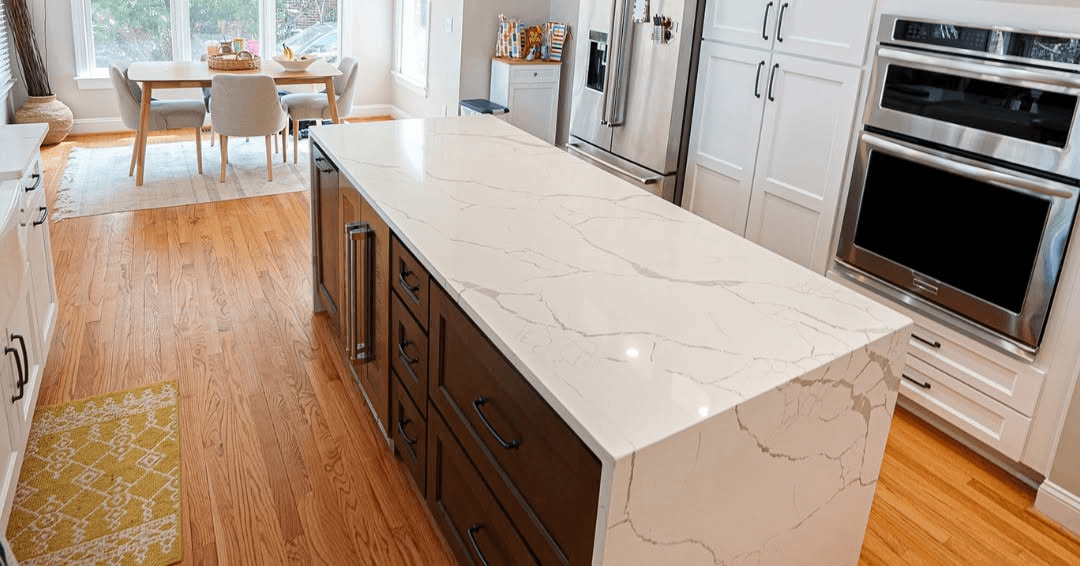
How to Prevent Rust Stains on Countertops
Keep Metal Items Dry
Do not leave wet metal items directly on the countertop.
Use trays, coasters, mats, or holders under cans, tools, razors, and cookware. This is especially useful near sinks and bathroom vanities.
Dry the area often if water collects around fixtures.
Wipe Up Water Quickly
Standing water increases the risk of rust and mineral stains.
Wipe counters after cooking, cleaning, shaving, or washing dishes. This simple habit can prevent many stains before they start.
It also helps protect seams, edges, and backsplashes.
Maintain Sealers and Caulk
Natural stone may need sealing to help protect against stains and moisture.
Check grout, caulk, and seams near sinks and backsplashes. Damaged caulk can allow water to reach areas where stains and other problems can develop.
Regular maintenance supports better long-term performance.
Choose the Right Countertop for Your Home
If stains, damage, or maintenance problems keep returning, it may be time to consider a new surface.
The best choice depends on the kitchen layout, kitchen island design, countertop size, cooking size, daily habits, and personal preferences. A busy kitchen may need a low-maintenance quartz surface, while some homeowners prefer the natural character of granite or quartzite.
East Coast Granite of Richmond offers high-quality granite, quartz, marble, quartzite, and other premium surfaces. The team can help homeowners compare materials, understand maintenance needs, and choose a countertop that fits their space.
For expert countertop care, repair guidance, or professional installation, contact East Coast Granite of Richmond to plan your next project with confidence.